People ask me this question more than just about any other. “Captain, when’s the best time to come?” The honest answer is that Homosassa fishes well twelve months a year. What changes is what you’re after and how you go about finding them. This is not a destination where you have to chase a single window. The water here produces something worth fishing for in every season. You just have to know where to look and what tide to be on.
The quick answer: Homosassa offers productive inshore fishing year-round on the Nature Coast of Florida. Winter brings reliable sheepshead and trout, spring is prime for trout and redfish, summer adds tarpon, cobia, and scalloping, and fall delivers the best redfish action of the year. The key is matching your trip to seasonal patterns, tides, and water temperature — and knowing which flat to be on when the tide turns.
Here is what I have found, month by month, fishing these same flats and back creeks my whole life.
January and February: Sheepshead, Trout, and Cold-Water Redfish
Cold weather moves the fish but it does not shut them down. January and February are some of the most reliable months on the water if you know where to go.
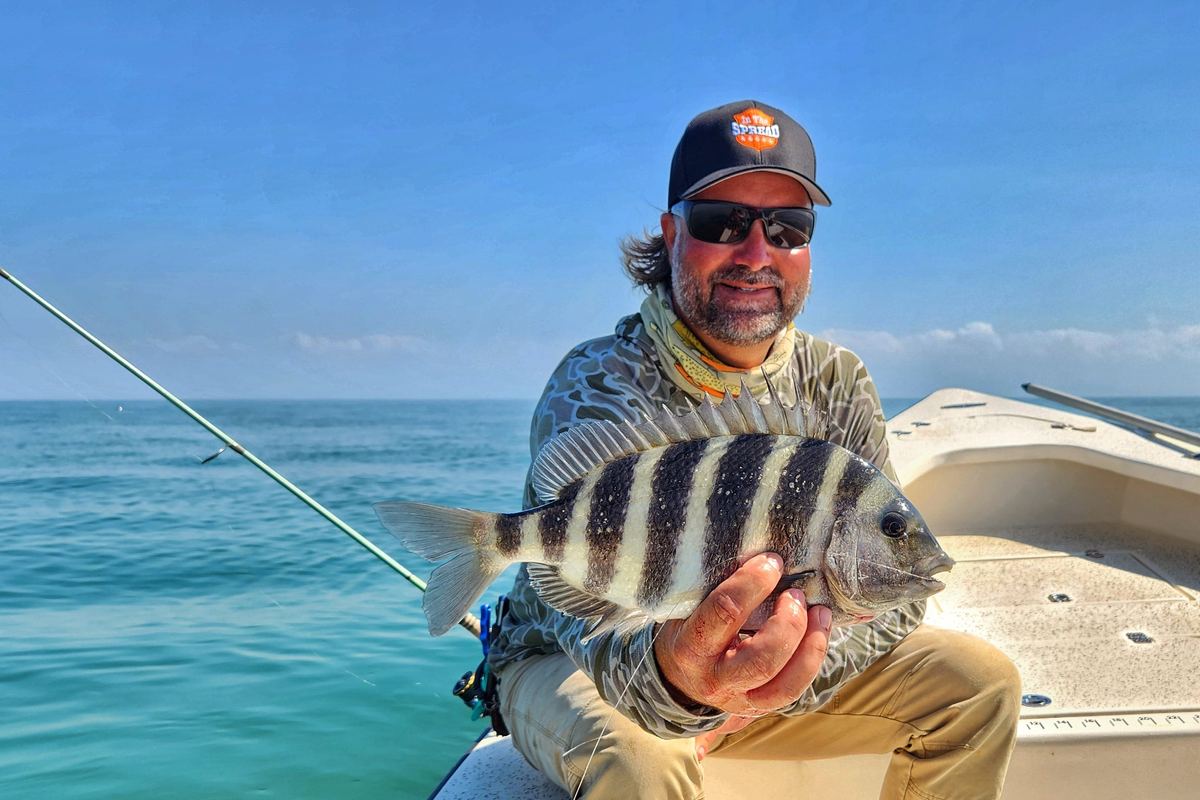
Sheepshead are the story in winter. They stack up on hard structure — dock pilings, nearshore rock, bridge rubble — and they eat well on cold days when most people stay home. I fish them on fiddler crabs or live shrimp, right on the bottom, with a slow and deliberate presentation. You have to feel the bite. Sheepshead are subtle. They will clean your hook before you know what happened if you are not paying attention.
Black drum show up alongside the sheepshead on the same hard bottom. They are not as picky as sheepshead and they pull harder than their reputation suggests. If you hook something on a sheepshead rig that takes line, there is a good chance it is a black drum.
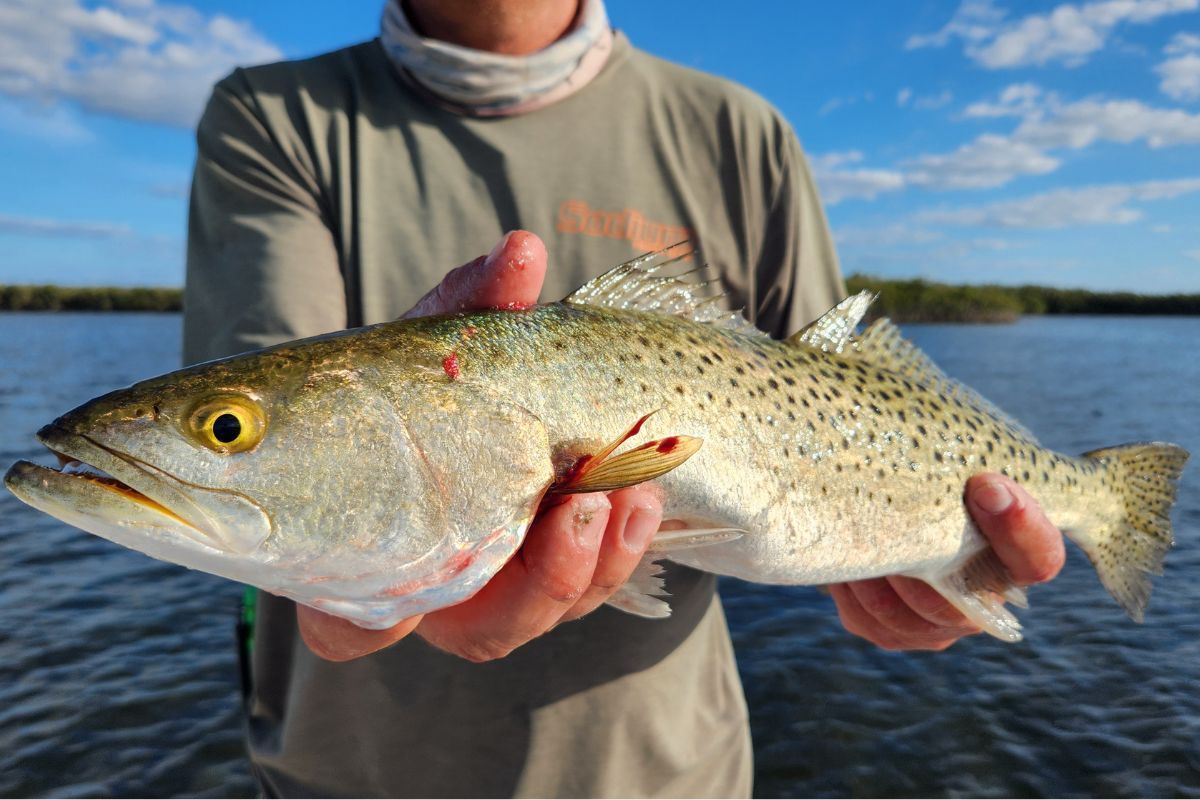
Seatrout are on hard bottom throughout the winter, particularly during the warmest part of the day. I look for rock grass mixed into the flat and work a slow retrieve with a D.O.A. 5.5 glow jerk bait on a 3/0 bait style hook. The incoming tide concentrates fish in specific areas on the Homosassa River flats. On a good incoming tide you can find trout stacked tighter than you expect.
Redfish are around all winter. They push into shallow water on warm afternoons when the sun heats the flat. On cold mornings, look deeper. I like to find them on the outgoing tide along channel edges where they stage before moving up onto the flat.
Thinking about a winter trip? Call me and we will talk about what the water is doing. Winter is one of my favorite times to fish. The crowds are light and the fish are predictable.
March and April: Trout, Redfish, and the First Signs of Spring
March is when the water starts to warm across the Citrus County flats and the trout transition from their winter holding spots back onto the open grass. This is one of the best times of year for seatrout numbers. The fish are hungry coming out of the colder months and they are not as particular about what they eat.
I have been finding the nicest trout on the inside flats over ribbon rock on the outgoing tide. Look for the places where rock grass gives way to cleaner hard bottom. That edge is where they hold. I throw D.O.A. 5.5 glow jerk baits or MirrOlure Lil Johns in watermelon red flake on a 1/8 oz. D.O.A. jig head. I use a 7’6″ Boner 8 to 15 medium fast rod with 10 lb. Power Pro Braid and a 20 lb. Seaguar fluorocarbon leader.
Pompano start showing up in late February and run through April along the nearshore areas. They are fast, they hit hard, and they are excellent on the table. Small jigs and sand fleas are the go-to presentation. They are worth targeting when they are in the area.
Spanish mackerel show up along nearshore structure in March and April, well before the summer run people usually associate them with. They are an aggressive fish and an efficient way to get action when the mackerel are in. A fast retrieve on a small silver spoon or a D.O.A. jerk bait will bring them up.
Redfish start becoming more active in April as water temperatures climb. They are moving shallower with the warming tide cycles and feeding more aggressively. The outside keys and the rock structure south of the river are good starting points. Follow the incoming tide back toward the treeline and you will find them.
Snook begin showing up in April as well. They come out of the wintering holes in the deeper rivers and move back toward structure in the tidal creeks. Check current Florida Fish and Wildlife regulations before keeping snook — the season and bag limits change, and I would rather you call FWC than rely on what any website says, including this one.
Spring is a popular booking window. Reach out early if April or May is on your calendar.
May and June: Cobia, Tarpon, and Snook Activity Picks Up
May and June are when Homosassa shifts into a different gear. The warm water brings cobia and tarpon into the area, and the fishing takes on an entirely different character.
Cobia show up along nearshore structure, ledges, and hard bottom moving into May. They are an aggressive fish and they are not difficult to catch once you find them. One of the best local tactics is sight fishing off rays on the shallow flats. A cobia following a ray on calm water is one of the more exciting things you can sight-cast to in Florida. I also look for them around sharks and floating debris offshore. A live pinfish or a D.O.A. 5.5 on a free line is hard to beat.
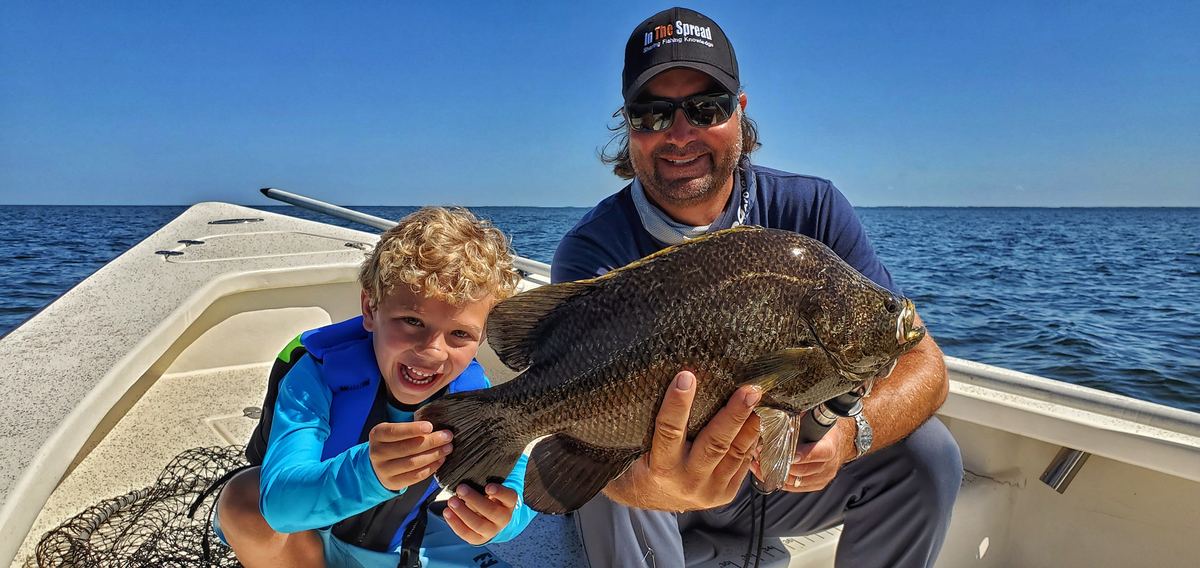
Tripletail start appearing in May around crab trap buoys, floating debris, and any structure that collects on the surface. They look like they are barely alive and they hit hard when they eat. They are underrated as a target and completely overlooked by most visiting anglers. Keep your eyes up when you are running.
Tarpon move through Homosassa in May and June. These are large migratory fish and some of them are very large. I will say plainly: if fly fishing specifically for permit-class tarpon is your goal, book with a guide who specializes in it. What I can tell you is that tarpon will be on this water in May and June, and if they show up on the flat you are fishing, they will get your attention.
Snook become very active in May and June around structure in the tidal creeks and along the nearshore mangrove shorelines. Check current regulations before you keep one — Florida snook rules change based on season, area, and stock assessments, and it is your responsibility to know them. For fishing them, live shrimp is the best bait around moving water. I catch my bait fresh on the spot every trip to make sure it is as lively as possible. A lethargic shrimp from a bait shop bag does not fish the same.
July and August: Scalloping Season and Summer Fishing
July is when scalloping opens in Citrus County and it is one of the most genuinely fun things you can do on the water with a family. You snorkel the grass flats and hand-pick bay scallops. It is not fishing, but it is Homosassa, and I run scalloping trips throughout the season. The kids love it. The adults do too.
Summer fishing is early morning or late evening. The heat pushes fish deeper during the middle of the day. I target trout and redfish on the first couple of hours of the outgoing tide in the morning before the sun gets up high. D.O.A. CAL jerk baits in glow are productive in low light. Work them slow over hard bottom south of the river on the yellow bottom.
Snook are active in July and August around structure. They feed well on an outgoing tide at night in the river. Spanish mackerel are back in force along nearshore rock and ledges through the summer months. They hit fast and fight hard and there is no reason to pass them up when they are running.
Sharks are worth targeting in summer if that is something you are interested in. Blacktips, lemons, and the occasional bull shark are all present on the Homosassa flats and nearshore areas. It is a different kind of fishing and a different kind of fight.
I recommend catching what you are going to eat and leaving the rest in the summer. Seatrout need to be handled carefully in warm water. They do not recover well from extended handling. Use artificial lures rather than live bait under a cork and you will gut-hook far fewer of them. That is better for the fish and better for the fishery overall.
Scalloping trips book fast in July and August. If that is what you are after, do not wait to call.
September and October: The Best Redfish Fishing of the Year
This is my favorite time on the water. Hands down. The fall redfish bite on the Homosassa flats is as good as inshore fishing gets on the Nature Coast of Florida.
Redfish school up in September and October and they push onto the shallow grass flats in numbers. I have caught redfish, seatrout, and snook on a good incoming new moon tide from the outside keys all the way back toward the treeline in a single six-hour period following the water. That kind of fishing does not happen every day, but in October it happens more days than not.
If I had a moon phase to choose, I would always vote for the new moon. New moon and full moon tides both push more water and produce stronger tidal movement. On the new moon, that flood tide pushes deep into the backcountry and carries fish with it all the way through the tide phase rather than concentrating them on one stage of the cycle. Fish spread across the flat and stay active for hours. That is the condition I am looking for.
I fish live shrimp on a 1/8 oz. jig head on the incoming tide and cover water. Once I get two or three bites in a row, I anchor up. The redfish are usually stacked tighter than you think. I suggest one person at a time cast and lead the fish with a feathered cast. That means slowing the line with your fingers as it comes off the reel so the bait enters the water softly rather than with a hard splash. Redfish on a shallow flat will flush from a heavy entry.
Flounder show up in the fall as water temperatures drop and are worth picking up when they are on the flat. They hold tight to structure and bottom transitions and they do not move much. A slow presentation along channel edges and creek mouths is the right approach.
Seatrout are also feeding well through the fall. I find the nice ones on ribbon rock and hard bottom on the outgoing tide. The cooler water temperatures bring the fish up shallower and they stay active longer into the morning.
Fall is the most requested time to book. If October is on your mind, reach out early in the year.
Ready to book a fall trip? Call Captain Toney at 352-422-4141 — October dates go fast and they go early.
November and December: Sheepshead Return and Transition Fishing
November is a transition month. The redfish bite stays productive early in the month, particularly on the new moon tides. As the water cools through November, fish begin moving off the flats and settling into their winter patterns.
Sheepshead start showing up on structure again in November and are very reliable through December. Dock pilings, nearshore rocks, and the concrete rubble around the bridges hold fish consistently. I fish them on fiddler crabs right on the bottom with just enough weight to get there. Slow down your presentation more than you think you need to.
Black drum are back alongside the sheepshead as the water cools. They are a dependable fish in November and December on the same structure. Worth keeping a bait in front of them.
Seatrout on hard bottom are a consistent option throughout November and December across the Citrus County flats. The fish are still feeding actively on the outgoing tide in water that has cooled down enough to hold dissolved oxygen well. I work jigs in glow and watermelon red flake along the edges of rock grass and cover water until I find a school.
December is a quieter month on the water but it is not slow fishing. Cold fronts push through more frequently and they do affect the bite. A passing front will knock things down for a day or two. Fish the days just before a front moves through or wait three days after it clears and conditions will often be very good.
Best Months by Goal
Not every trip has the same objective. Here is how I would point people depending on what they are after.
Best months for numbers of fish: March and April for seatrout, September and October for redfish. These are the months when fish are concentrated and cooperative.
Best months for a trophy fish: October for a bull redfish. May and June for a large cobia or a close look at tarpon. January and February for a trophy seatrout on hard bottom on a warming tide.
Best months for families and kids: July and August for scalloping. March through May for mixed inshore action that produces bites consistently without requiring perfect conditions. Scalloping in particular works for every age group.
Best months for someone who has never fished Homosassa: October is the answer. The fish are there, the conditions are usually good, and the experience of following a flood tide across a fall flat is the one that makes people want to come back the following year.
Quick Reference: Homosassa Fishing by Month
January Primary: Sheepshead, Black Drum · Secondary: Seatrout, Redfish
February Primary: Sheepshead, Black Drum · Secondary: Seatrout, Redfish
March Primary: Seatrout, Pompano · Secondary: Redfish, Spanish Mackerel
April Primary: Redfish, Seatrout · Secondary: Snook, Pompano
May Primary: Cobia, Snook · Secondary: Tarpon, Tripletail
June Primary: Tarpon, Snook · Secondary: Cobia, Redfish
July Primary: Scalloping, Snook · Secondary: Seatrout, Spanish Mackerel, Sharks
August Primary: Snook, Spanish Mackerel · Secondary: Seatrout, Redfish, Sharks
September Primary: Redfish · Secondary: Seatrout, Snook, Flounder
October Primary: Redfish · Secondary: Seatrout, Snook, Flounder
November Primary: Redfish, Sheepshead · Secondary: Seatrout, Black Drum
December Primary: Sheepshead, Black Drum · Secondary: Seatrout, Redfish
If you have a species in mind or a month on the calendar and want to talk through what to expect, give me a call. I have fished this water my whole life and I would be glad to point you in the right direction.
Captain William Toney
Homosassa Inshore Fishing
Call 352-422-4141 to Book Your Charter