Author: William Toney

  • Redfish Fishing on the Homosassa Flats: Tactics, Tides, and What to Expect

    Redfish Fishing on the Homosassa Flats: Tactics, Tides, and What to Expect

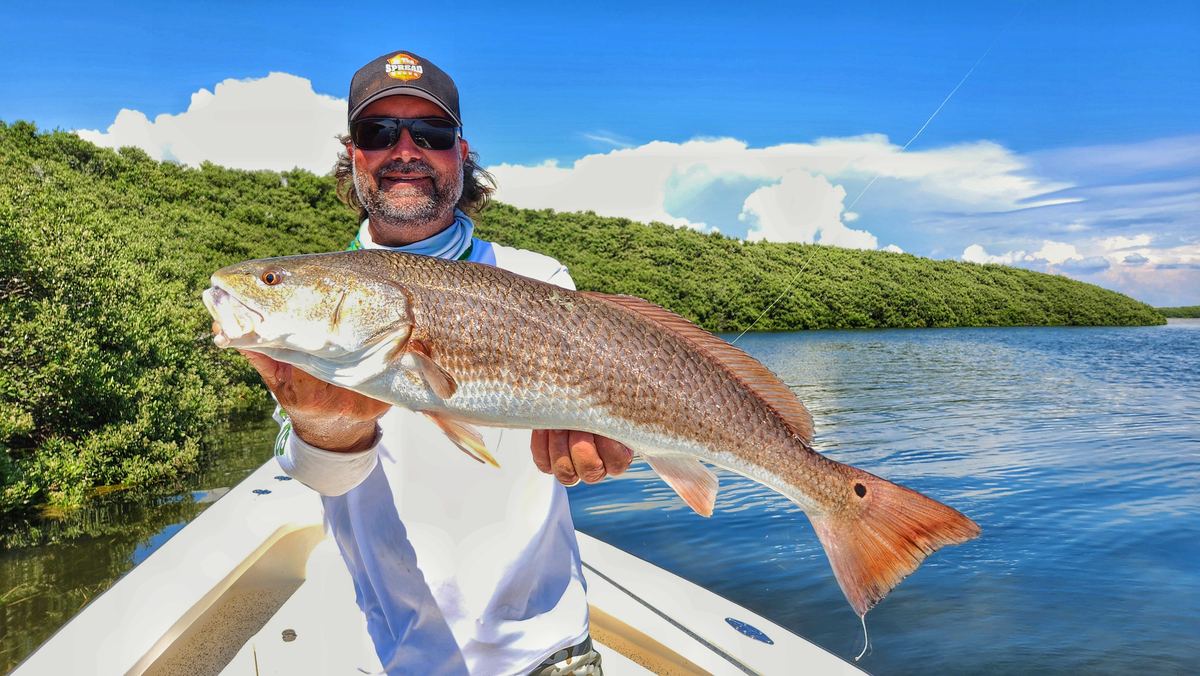
    Redfish are the reason a lot of people find their way to Homosassa for the first time. They are also the reason most of them come back. There is no other inshore species on the Nature Coast that is as available, as willing to eat, and as flat-out satisfying to catch on light tackle. I have been targeting redfish on these flats my entire life and I still look forward to every morning that starts with an incoming tide and clean water over hard bottom.

    The quick answer: Redfish on the Homosassa flats are best targeted on incoming tides over hard bottom in one to three feet of water. Live shrimp on a jig head or soft plastics worked slowly along structure produce fish year-round, with peak action in the fall. The key is reading the flat correctly — bottom type, water clarity, wind direction, and tide stage all factor into where fish will be and how they will eat.

    Here is what I know about catching them on the inshore fishing charters I run out of Homosassa.

    What Makes Homosassa Redfish Fishing Different

    The Nature Coast is not like the east coast of Florida or the panhandle. There are no long sandy beaches and very little development along the water. What we have instead is a vast, shallow estuary system fed by freshwater springs, bordered by mangroves and marsh grass, and cut through by tidal creeks that push clean water in and out twice a day. That system produces enormous numbers of redfish because the habitat is essentially perfect for them.

    The shallow flats south of the Homosassa River hold redfish year-round. The Chassahowitzka River system to the south adds another dimension. St. Martins Keys, the outside keys, and the nearshore rock structure give fish structure to orient to. The backcountry creeks and the areas around the treeline hold fish on high tides when they push up to feed in very shallow water. A redfish does not have to travel far in Homosassa to find everything it needs. That is why they stay.

    What this means for you as an angler is that you are not gambling on a migration window or hoping a seasonal run shows up. Redfish are here. The question is which flat, which tide, and what presentation.

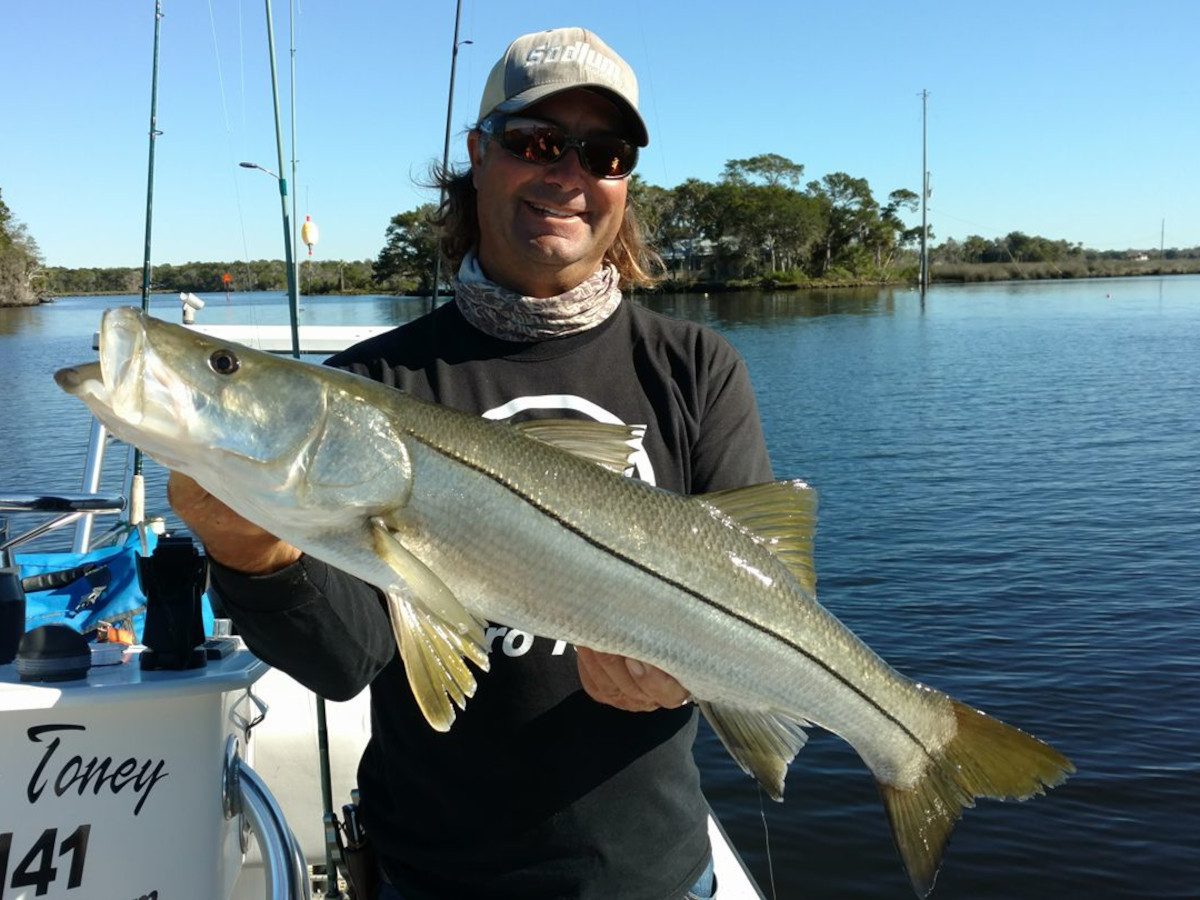
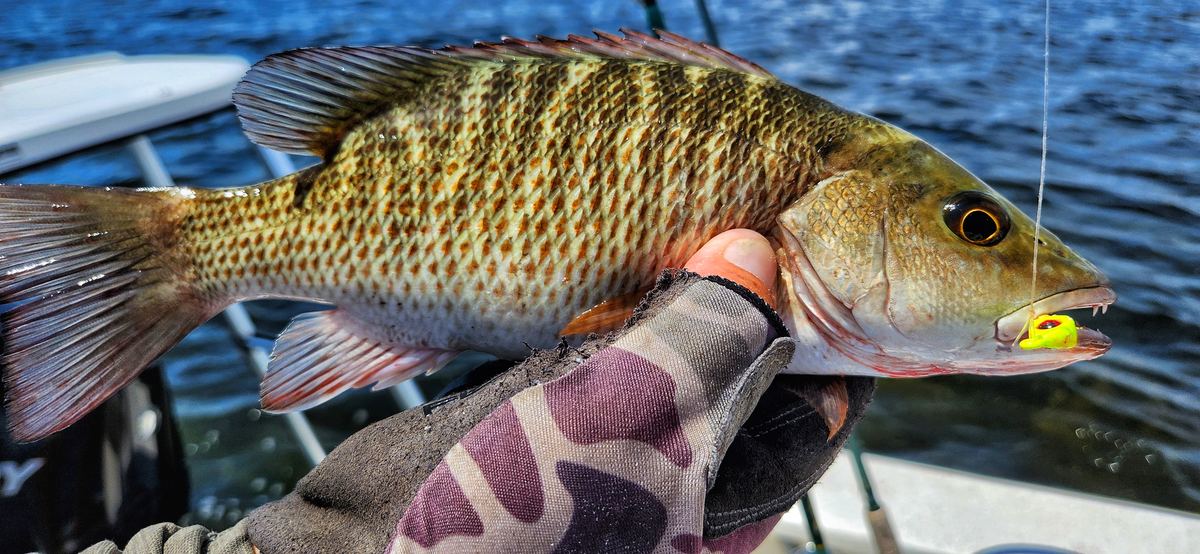
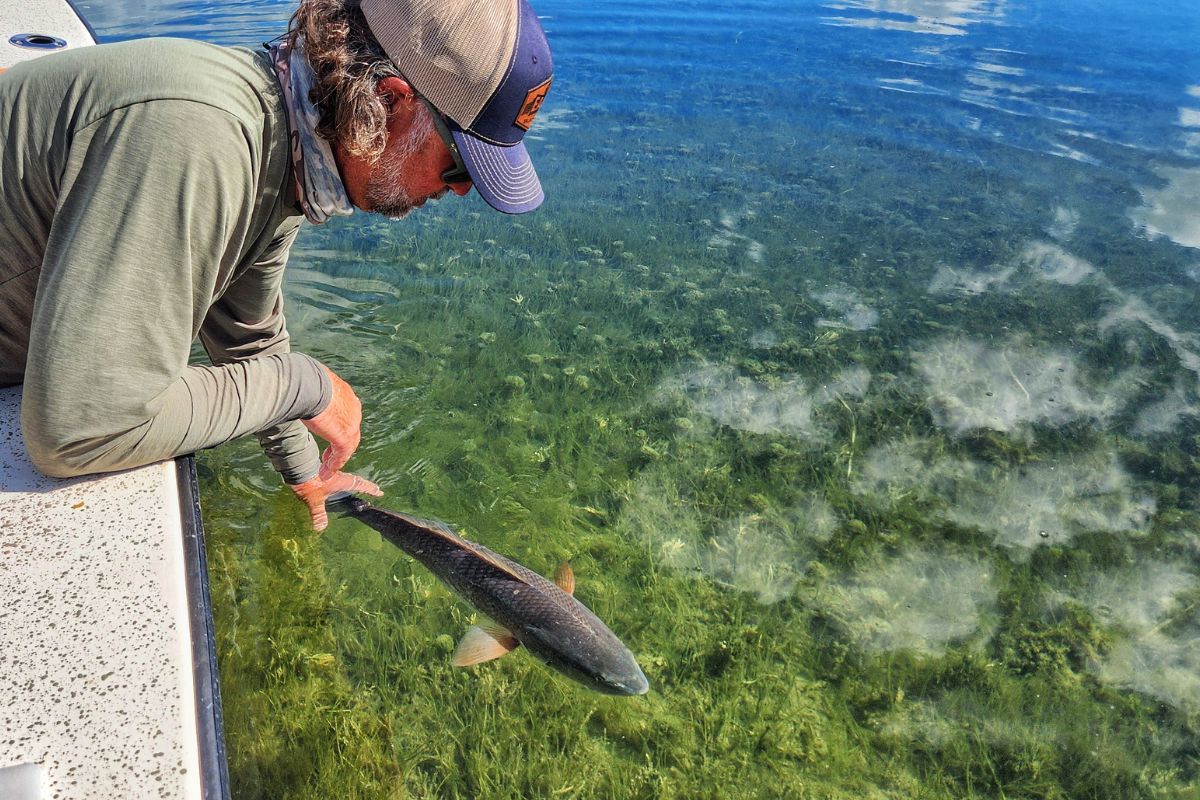
    Captain William Toney releasing a redfish over a clear grass flat in Homosassa, Florida

    Tides and Timing

    Best Tide for Redfish

    Tide is the first thing I check every morning. Everything else follows from that.

    I prefer the incoming tide because fish are moving and easier to locate. When the water is rising, redfish push up from the channel edges and deeper pockets onto the flats to feed. They are covering ground and they are actively looking for food. That is when I want to be set up ahead of them, not chasing them.

    The outgoing tide is just as productive when you target it correctly. As water falls off the flat, redfish stage on channel edges and drain points in ambush positions, waiting for bait to wash through. I look for points where a flat narrows down to a creek mouth or a channel cut and position the boat to cast up onto the flat and work the bait toward the dropping water. Incoming is best for searching. Outgoing is best for finding fish already committed to a spot.

    Early morning is my preferred time, especially in summer. Redfish feed aggressively in low light before the sun gets up high and warms the shallow water. In fall and winter I will fish later into the morning because the cooler water keeps fish active longer.

    Moon Phase and Water Movement

    If I had a moon phase to choose, I would always vote for the new moon. New moon tides bring stronger water movement and push higher floods onto the flat, allowing redfish to spread farther into the backcountry and feed across a wider area for longer periods. Instead of fish stacking on a single stage of the tide, they move with the water all the way through the flood cycle. The October new moon tides are the best redfish fishing of the year on this coast, and I say that without any hesitation.

    Reading the Flat: Wind and Water Clarity

    Wind Strategy

    Wind matters on the Homosassa flats and most anglers do not think about it until they are already on the water with a problem.

    On windy days I look for leeward shorelines — the banks where wind has been blowing toward rather than away from. Bait stacks up on the windward shoreline and redfish follow it. The windward side is typically muddier and harder to read visually, but if the bite is slow on clean water, I move to where the wind is pushing water and look for fish feeding by smell rather than sight.

    Wind direction also determines whether I pole or drift. A steady wind across the flat is sometimes a better ally than the push pole. I set the drift along the depth contour I want to cover and manage it with the motor rather than burning energy poling into the wind. On days with no wind at all, the push pole is the only quiet option.

    When wind is pushing against an outgoing tide, the flat can turn muddy fast. If the water is off-color and getting worse, I move. There is usually a cleaner pocket somewhere in the system. The backcountry creeks hold cleaner water longer than the open flats when wind is mixing things up.

    Water Clarity

    The water in the Homosassa system is not always clean. Spring-fed clarity is the ideal, but tidal movement, wind, and weather can stain the flat quickly. What matters is knowing how fish behave in each condition.

    In clear water, redfish are actively sight-feeding and they will flush from noise, boat shadow, or a hard bait entry. Approach quietly, lead the fish, and keep the presentation gentle.

    In stained or off-color water, redfish shift to feeding by smell and vibration. They are less spooky and less visually oriented. Shrimp on a jig head is the right call in low-visibility conditions because the scent trail does work that a plastic lure cannot. Slower presentations give the fish time to locate the bait. I will also go to darker colors — watermelon red flake, motor oil, dark rootbeer — in stained water because they produce more silhouette contrast than lighter colors.

    Know what the water is doing before you decide on your presentation. A glow jerk bait on a sight-fishing flat is a different tool than a scent-soaked shrimp in dirty water, and using one when the conditions call for the other is a way to make a slow day slower.

    What to Look For: Reading Fish on the Flat

    Polarized sunglasses are not optional on a sight-fishing flat. They are the single most important piece of equipment you have on the boat. Without them, you are fishing blind.

    Once you have the right eyewear, here is what you are looking for.

    Tails are the most obvious signal. A redfish feeding in very shallow water will tip up, and the tail breaks the surface. You will see it rocking slightly as the fish roots through the bottom. Do not rush the cast. Watch the direction the fish is moving, lead it by several feet, and let the bait settle before you start the retrieve.

    Pushes are the second thing to watch for. A push is the V-shaped wake that a fish leaves moving through shallow water at speed. It is visible at distance on a calm day. Read the direction of the push and figure out where the fish is headed. Cast ahead of it, not at it.

    Nervous water is subtler. A small disturbance on the surface, a slight ripple in an otherwise flat area, often indicates fish moving below. It is the kind of thing you develop an eye for over time. When you see it, slow down and look before you make a move.

    On overcast days or in deeper water, you are mostly reading bottom rather than fish. Look for the color change at a bottom transition — the edge where rock grass meets clean hard bottom — and work along it. Fish will be on that edge whether you can see them or not.

    Approach and Position

    A redfish in eighteen inches of water knows you are there before you think it does. The approach is not an afterthought.

    I use the push pole whenever conditions allow. It is quiet and it gives me complete control over the drift. A trolling motor is faster but noisier, and in very shallow water on a calm day the low-frequency hum travels far. If I use the motor to get to a flat, I shut it off well before I start fishing and let the flat settle for a few minutes.

    Casting angle matters more than most people think. An up-current presentation — casting so your bait drifts naturally toward a fish the way real bait would in the tide — gets eaten more consistently than a cast that pulls the bait across the current or retrieves it unnaturally. Think about where the water is going and put your bait in front of the fish the way the tide would deliver it.

    One person casts at a time on a shallow flat. Two people casting at the same fish is two people spooking the same fish. I suggest a feathered cast — slow the line with your fingers as it comes off the reel so the bait enters the water softly. A hard splash in a foot and a half of water is the end of that opportunity.

    Best Depth and Bottom Type

    Location on the Homosassa flats comes down to bottom type and water depth. Redfish are not randomly scattered across open water. They are on specific bottom with specific characteristics.

    Hard bottom is the foundation. Ribbon rock, rock grass, and shell bottom hold more bait than soft mud or open sand. Redfish know this. I look for the transition zone where rock grass meets cleaner hard bottom and set up a drift along the edge of it. That edge concentrates everything — crabs, small baitfish, shrimp — and redfish work it like a conveyor belt.

    South of the Homosassa River, yellow bottom marks the areas where the bottom composition shifts. That is productive territory for redfish in the warmer months. The outside keys give fish a tidal edge to work and provide some protection from boat traffic. In the backcountry, I fish the mouths of tidal creeks on the incoming tide and the inside bends on the outgoing tide.

    Water depth from one to three feet is where I spend most of my time. At any given spot I like to give it at least fifteen minutes. If fish are there it will usually happen fairly quickly. If nobody is home, make a move to the next spot west.

    Booking a redfish charter? Call Captain Toney at 352-422-4141 — fall dates fill fast and the October new moon weeks go first.

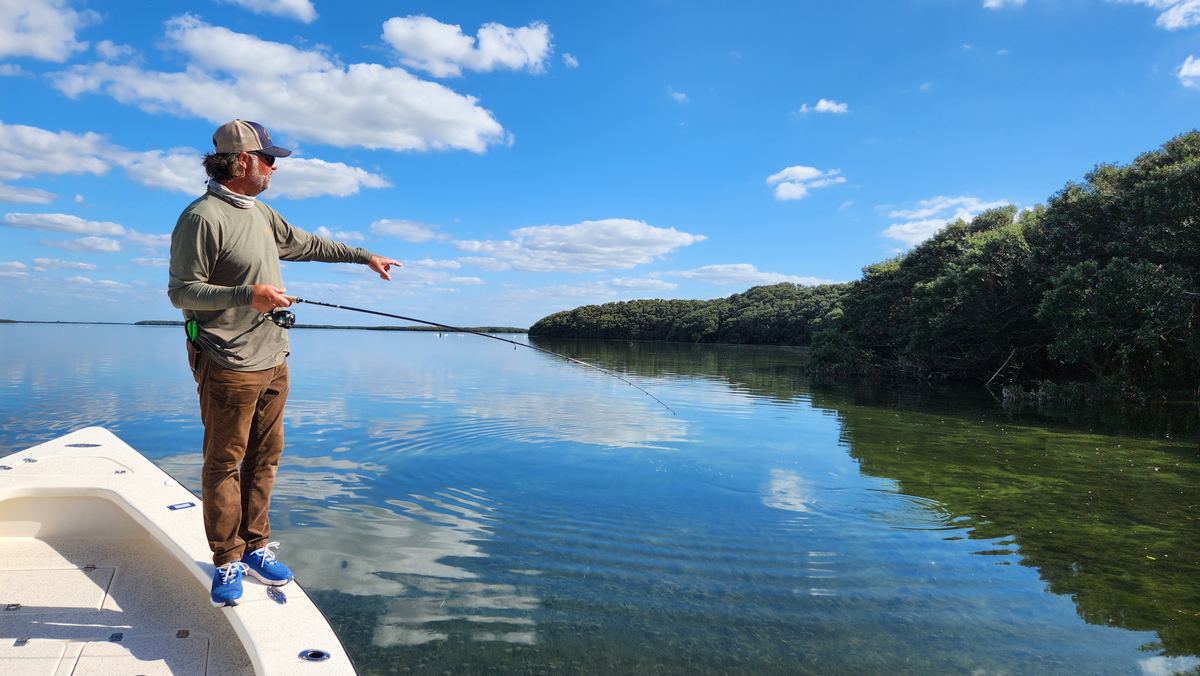
    Captain Toney sight fishing across a shallow Homosassa flat

    Best Baits for Homosassa Redfish

    Live Bait

    Live shrimp is my first choice for redfish on the Homosassa flats, particularly in clear water when the fish are actively sight-feeding. When the tide is right and you put a lively shrimp in front of a redfish that is looking for food, the result is usually predictable.

    I catch my bait fresh every morning on the way to the fishing grounds. Fresh bait consistently outfishes weak or stressed bait, and shrimp that has been sitting in a bait well overnight is not performing at its best. A lively shrimp on a jig head moves differently than a slow one and the difference shows up in the bite.

    For redfish around structure and on deeper incoming edges, I also fish live pinfish and cut mullet. Bigger fish in the fall sometimes want something with more profile than a shrimp. A live pinfish free-lined near structure will produce bull redfish that a smaller bait might not trigger. Cut mullet is an underrated option in stained water because the scent disperses widely and brings fish to the bait rather than requiring a perfect presentation.

    To rig a shrimp, pinch the tail off and thread the bait onto the jig head tail-first. Push the shrimp so it hooks into the prongs or keepers on the neck of the jig head. I fish a 1/8 oz. jig head in most situations on the flat and go to 1/4 oz. on deeper incoming tide edges to keep contact with the bottom.

    Work the bait on a slow lift-and-drop. Let it settle to the bottom, raise the rod tip just enough to move the shrimp and let it fall again. Slow and methodical is the best approach.

    Artificial Lures

    There are days when artificials outfish live bait and days when they do not come close. Learning which is which takes time on the water. Here is my starting point.

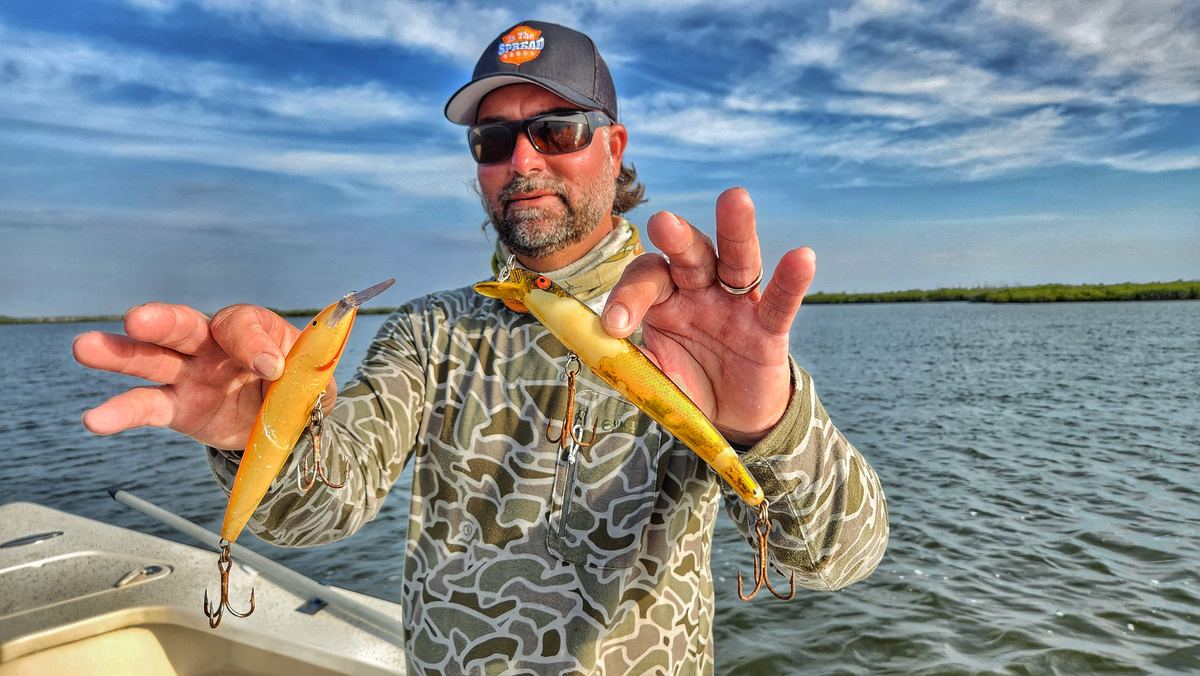
    My go-to artificial for redfish is the D.O.A. 5.5 glow jerk bait with a 3/0 bait style hook right through the tip of the nose. It has a wide profile, it displaces water, and it moves like something that is injured. I work it on a slow twitch-and-pause. Let it sink between twitches. Redfish often eat it on the pause.

    For a softer plastic presentation, I reach for MirrOlure Lil Johns in watermelon red flake on a 1/8 oz. D.O.A. jig head. That combination has produced redfish for me in all kinds of conditions. Bourbon and dark rootbeer are also productive when the water has any stain to it.

    I fish these on a 7’6″ Boner 8 to 15 medium fast rod with 10 lb. Power Pro Braid and a Seaguar 20 lb. fluorocarbon leader. I run two to three feet of leader — enough to keep the braid away from the fish in clear water without making the connection awkward to cast. The fluorocarbon disappears and handles the abrasion of the grass and rock. Do not skip the leader. Clear water redfish see everything.

    Seasonal Patterns: How Redfish Behavior Shifts

    The techniques above apply year-round but the specifics change with the season and water temperature.

    In winter, fish move off the open flats toward deeper channel edges and hard bottom pockets. Presentations slow down. I am lifting the bait less and letting it sit more. The bite is subtle and the fish are less aggressive, but they are still eating. Target the warmest part of the day and find fish on the outgoing tide where they have staged up from overnight holding spots.

    In spring, redfish spread across the flat as the water warms. They are transitioning from winter edges to summer patterns and they are feeding more actively. This is a good time to cover water, find fish, and figure out which bottom type they are using. The outside keys and the areas south of the river start producing consistently in April.

    In summer, fish early. The first two hours after sunrise on the outgoing tide over yellow bottom and hard rock is the summer window. By nine or ten in the morning the bite has usually slowed on the open flat. Night fishing around structure in the river is productive for redfish in July and August when daytime heat shuts things down.

    In fall, the fish school. This changes everything about the approach. Instead of searching for individual fish or small groups, you are looking for concentrations. Once you find them, you stay on them. The fall flood tides push schools deep into the backcountry and they feed aggressively across the entire tide phase.

    Fall Migration: The Best Redfish Fishing of the Year

    September and October are when Homosassa redfish fishing reaches its peak. The fish school up in large numbers and push onto the flats in concentrations you do not see at other times of year. I have caught redfish, seatrout, and snook on a good incoming new moon tide from the outside keys all the way back toward the treeline in a single six-hour period following the water. That is what fall can produce here.

    New moon tides in October bring stronger water movement and higher floods onto the flat, pushing fish deeper into the backcountry and keeping them actively feeding across the full tide cycle. When I get two or three bites in a row in the same area, I anchor up. The fish are almost always stacked tighter than the first couple of bites suggested.

    This is also the time of year when redfish are most visible. Clear fall water and low sun angles make poling the flat for tailing fish a real possibility. Nothing about fishing is more satisfying than locating a tailing redfish from fifty feet away and putting a good cast on it. Fall gives you those opportunities.

    A Note on Conservation

    I recommend catching what you are going to eat and being thoughtful about numbers. Redfish are not fragile but they are a managed species, and the quality of the fishing here depends on keeping the population healthy. Release fish you are not keeping quickly and keep them in the water as much as possible. A healthy redfish released on a good tide will be on that same flat next October.

    Watch Captain Toney’s Redfish Videos on In The Spread

    I have produced a detailed video series on redfish tactics through In The Spread, covering live bait rigging, summer patterns, top five baits and lures, and the techniques I use every day on this water. These are not short highlight clips. They are full instructional videos built for anglers who want to understand the reasoning behind the approach, not just watch someone catch fish.

    Watch Captain Toney’s Redfish Series on InTheSpread.com

    Ready to Fish the Homosassa Flats?

    Redfish season runs all year here. The fall window books fast and summer mornings are worth every early alarm. If you want to talk through the calendar and find the right trip for what you are after, give me a call.

    Captain William Toney
    Homosassa Inshore Fishing
    Call 352-422-4141 to Book Your Redfish Charter

  • What Fish Are In Season in Homosassa? A Month-by-Month Guide

    What Fish Are In Season in Homosassa? A Month-by-Month Guide

    People ask me this question more than just about any other. “Captain, when’s the best time to come?” The honest answer is that Homosassa fishes well twelve months a year. What changes is what you’re after and how you go about finding them. This is not a destination where you have to chase a single window. The water here produces something worth fishing for in every season. You just have to know where to look and what tide to be on.

    The quick answer: Homosassa offers productive inshore fishing year-round on the Nature Coast of Florida. Winter brings reliable sheepshead and trout, spring is prime for trout and redfish, summer adds tarpon, cobia, and scalloping, and fall delivers the best redfish action of the year. The key is matching your trip to seasonal patterns, tides, and water temperature — and knowing which flat to be on when the tide turns.

    Here is what I have found, month by month, fishing these same flats and back creeks my whole life.

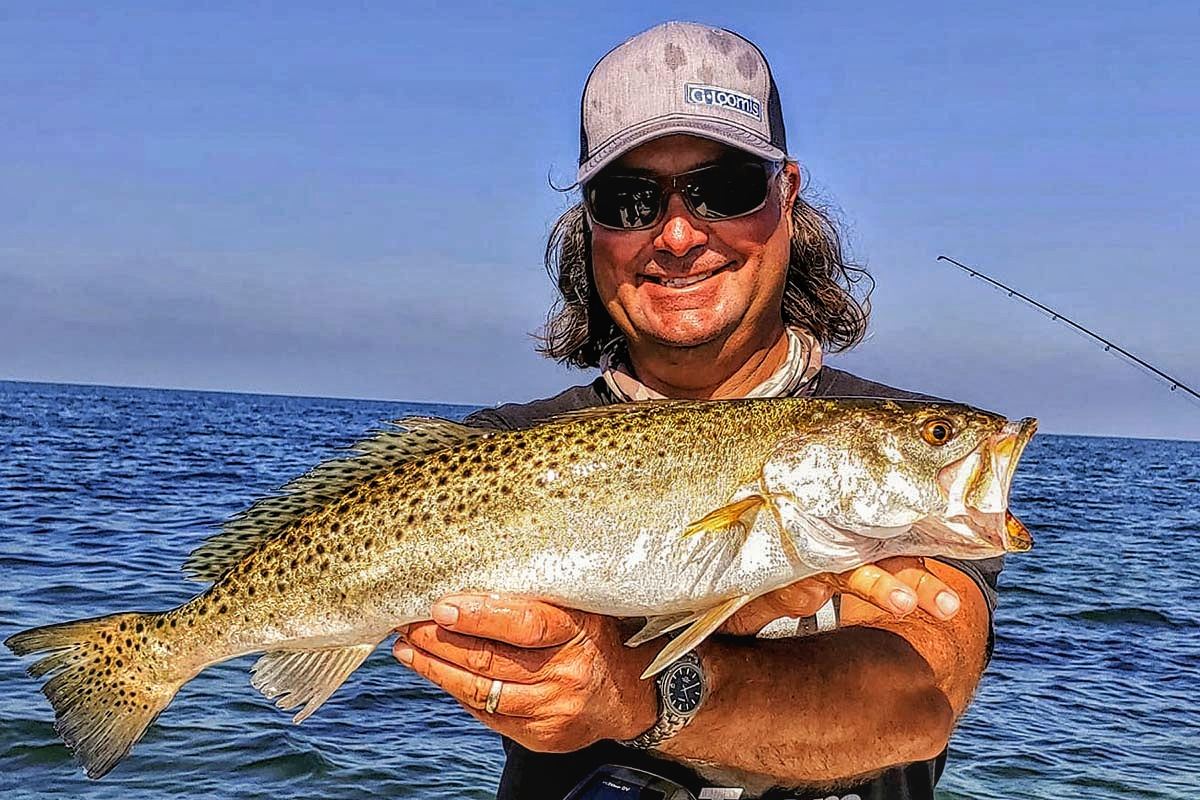
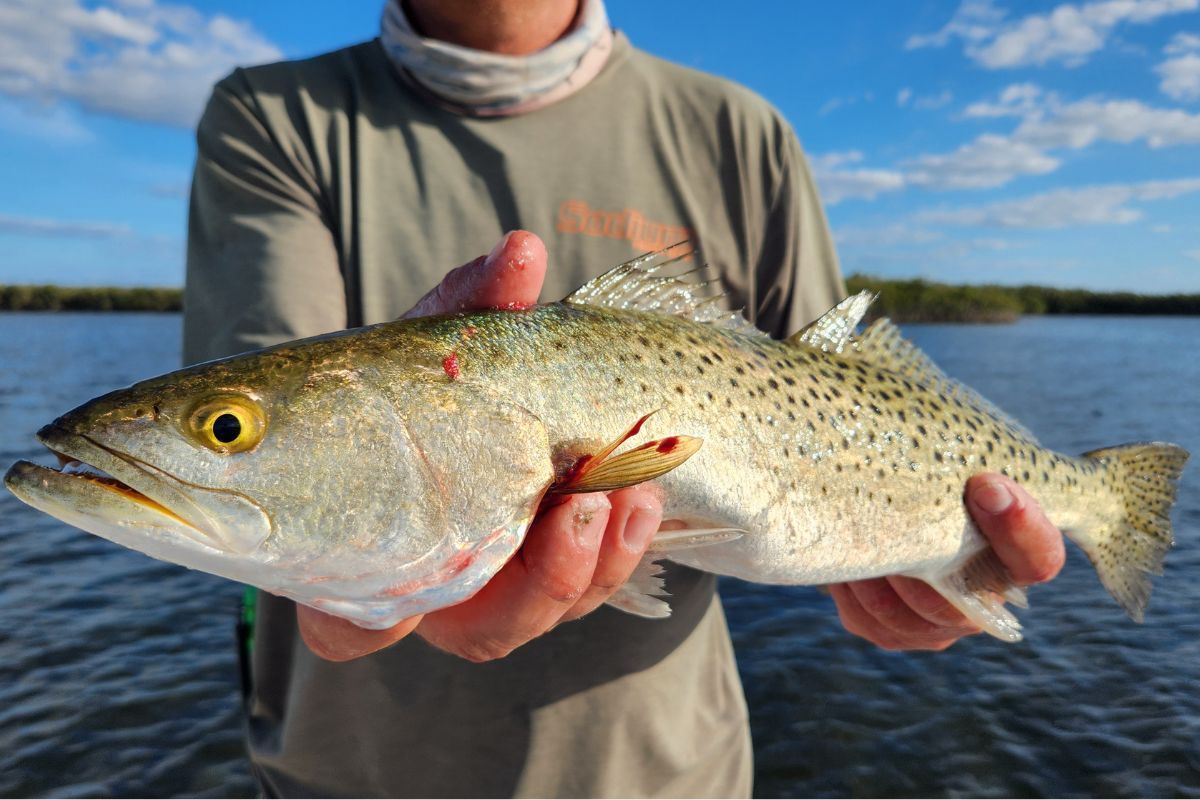
    A quality seatrout held boatside on the flats near Homosassa, Florida

    January and February: Sheepshead, Trout, and Cold-Water Redfish

    Cold weather moves the fish but it does not shut them down. January and February are some of the most reliable months on the water if you know where to go.

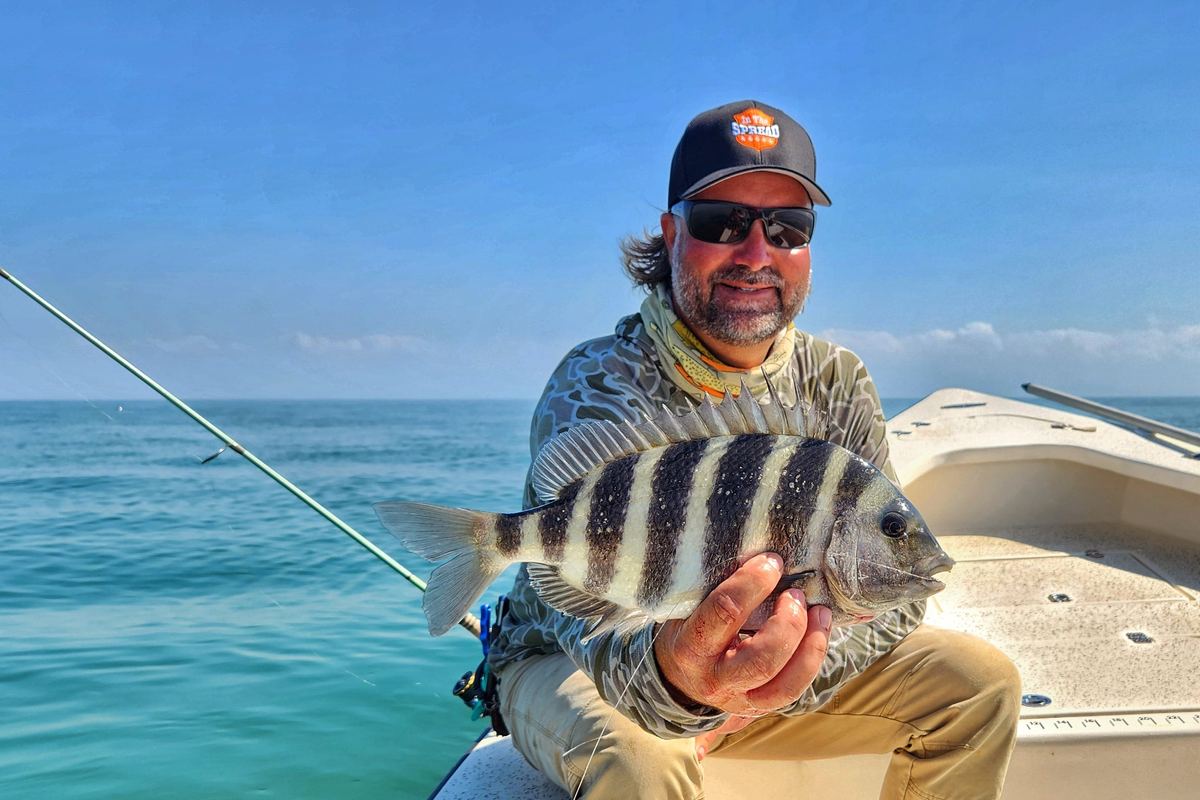
    Sheepshead are the story in winter. They stack up on hard structure — dock pilings, nearshore rock, bridge rubble — and they eat well on cold days when most people stay home. I fish them on fiddler crabs or live shrimp, right on the bottom, with a slow and deliberate presentation. You have to feel the bite. Sheepshead are subtle. They will clean your hook before you know what happened if you are not paying attention.

    Black drum show up alongside the sheepshead on the same hard bottom. They are not as picky as sheepshead and they pull harder than their reputation suggests. If you hook something on a sheepshead rig that takes line, there is a good chance it is a black drum.

    Winter sheepshead caught on Florida's Gulf Coast with Captain William Toney

    Seatrout are on hard bottom throughout the winter, particularly during the warmest part of the day. I look for rock grass mixed into the flat and work a slow retrieve with a D.O.A. 5.5 glow jerk bait on a 3/0 bait style hook. The incoming tide concentrates fish in specific areas on the Homosassa River flats. On a good incoming tide you can find trout stacked tighter than you expect.

    Redfish are around all winter. They push into shallow water on warm afternoons when the sun heats the flat. On cold mornings, look deeper. I like to find them on the outgoing tide along channel edges where they stage before moving up onto the flat.

    Thinking about a winter trip? Call me and we will talk about what the water is doing. Winter is one of my favorite times to fish. The crowds are light and the fish are predictable.

    March and April: Trout, Redfish, and the First Signs of Spring

    March is when the water starts to warm across the Citrus County flats and the trout transition from their winter holding spots back onto the open grass. This is one of the best times of year for seatrout numbers. The fish are hungry coming out of the colder months and they are not as particular about what they eat.

    I have been finding the nicest trout on the inside flats over ribbon rock on the outgoing tide. Look for the places where rock grass gives way to cleaner hard bottom. That edge is where they hold. I throw D.O.A. 5.5 glow jerk baits or MirrOlure Lil Johns in watermelon red flake on a 1/8 oz. D.O.A. jig head. I use a 7’6″ Boner 8 to 15 medium fast rod with 10 lb. Power Pro Braid and a 20 lb. Seaguar fluorocarbon leader.

    Pompano start showing up in late February and run through April along the nearshore areas. They are fast, they hit hard, and they are excellent on the table. Small jigs and sand fleas are the go-to presentation. They are worth targeting when they are in the area.

    Spanish mackerel show up along nearshore structure in March and April, well before the summer run people usually associate them with. They are an aggressive fish and an efficient way to get action when the mackerel are in. A fast retrieve on a small silver spoon or a D.O.A. jerk bait will bring them up.

    Redfish start becoming more active in April as water temperatures climb. They are moving shallower with the warming tide cycles and feeding more aggressively. The outside keys and the rock structure south of the river are good starting points. Follow the incoming tide back toward the treeline and you will find them.

    Snook begin showing up in April as well. They come out of the wintering holes in the deeper rivers and move back toward structure in the tidal creeks. Check current Florida Fish and Wildlife regulations before keeping snook — the season and bag limits change, and I would rather you call FWC than rely on what any website says, including this one.

    Spring is a popular booking window. Reach out early if April or May is on your calendar.

    May and June: Cobia, Tarpon, and Snook Activity Picks Up

    May and June are when Homosassa shifts into a different gear. The warm water brings cobia and tarpon into the area, and the fishing takes on an entirely different character.

    Cobia show up along nearshore structure, ledges, and hard bottom moving into May. They are an aggressive fish and they are not difficult to catch once you find them. One of the best local tactics is sight fishing off rays on the shallow flats. A cobia following a ray on calm water is one of the more exciting things you can sight-cast to in Florida. I also look for them around sharks and floating debris offshore. A live pinfish or a D.O.A. 5.5 on a free line is hard to beat.

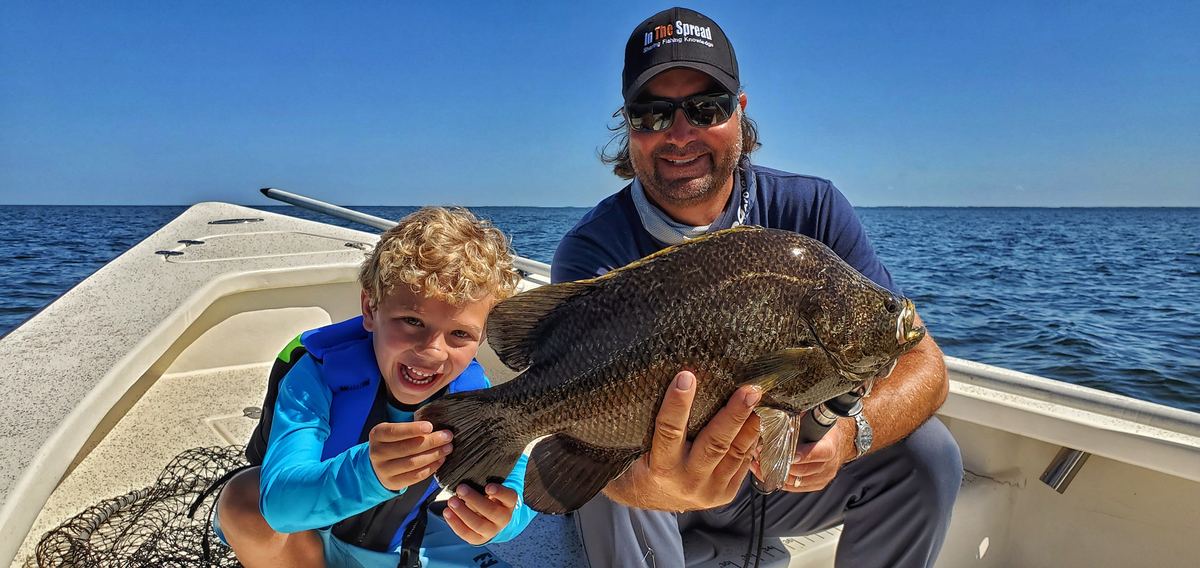
    Tripletail caught near structure off Homosassa

    Tripletail start appearing in May around crab trap buoys, floating debris, and any structure that collects on the surface. They look like they are barely alive and they hit hard when they eat. They are underrated as a target and completely overlooked by most visiting anglers. Keep your eyes up when you are running.

    Tarpon move through Homosassa in May and June. These are large migratory fish and some of them are very large. I will say plainly: if fly fishing specifically for permit-class tarpon is your goal, book with a guide who specializes in it. What I can tell you is that tarpon will be on this water in May and June, and if they show up on the flat you are fishing, they will get your attention.

    Snook become very active in May and June around structure in the tidal creeks and along the nearshore mangrove shorelines. Check current regulations before you keep one — Florida snook rules change based on season, area, and stock assessments, and it is your responsibility to know them. For fishing them, live shrimp is the best bait around moving water. I catch my bait fresh on the spot every trip to make sure it is as lively as possible. A lethargic shrimp from a bait shop bag does not fish the same.

    July and August: Scalloping Season and Summer Fishing

    July is when scalloping opens in Citrus County and it is one of the most genuinely fun things you can do on the water with a family. You snorkel the grass flats and hand-pick bay scallops. It is not fishing, but it is Homosassa, and I run scalloping trips throughout the season. The kids love it. The adults do too.

    Summer fishing is early morning or late evening. The heat pushes fish deeper during the middle of the day. I target trout and redfish on the first couple of hours of the outgoing tide in the morning before the sun gets up high. D.O.A. CAL jerk baits in glow are productive in low light. Work them slow over hard bottom south of the river on the yellow bottom.

    Snook are active in July and August around structure. They feed well on an outgoing tide at night in the river. Spanish mackerel are back in force along nearshore rock and ledges through the summer months. They hit fast and fight hard and there is no reason to pass them up when they are running.

    Sharks are worth targeting in summer if that is something you are interested in. Blacktips, lemons, and the occasional bull shark are all present on the Homosassa flats and nearshore areas. It is a different kind of fishing and a different kind of fight.

    I recommend catching what you are going to eat and leaving the rest in the summer. Seatrout need to be handled carefully in warm water. They do not recover well from extended handling. Use artificial lures rather than live bait under a cork and you will gut-hook far fewer of them. That is better for the fish and better for the fishery overall.

    Scalloping trips book fast in July and August. If that is what you are after, do not wait to call.

    September and October: The Best Redfish Fishing of the Year

    This is my favorite time on the water. Hands down. The fall redfish bite on the Homosassa flats is as good as inshore fishing gets on the Nature Coast of Florida.

    Redfish school up in September and October and they push onto the shallow grass flats in numbers. I have caught redfish, seatrout, and snook on a good incoming new moon tide from the outside keys all the way back toward the treeline in a single six-hour period following the water. That kind of fishing does not happen every day, but in October it happens more days than not.

    If I had a moon phase to choose, I would always vote for the new moon. New moon and full moon tides both push more water and produce stronger tidal movement. On the new moon, that flood tide pushes deep into the backcountry and carries fish with it all the way through the tide phase rather than concentrating them on one stage of the cycle. Fish spread across the flat and stay active for hours. That is the condition I am looking for.

    I fish live shrimp on a 1/8 oz. jig head on the incoming tide and cover water. Once I get two or three bites in a row, I anchor up. The redfish are usually stacked tighter than you think. I suggest one person at a time cast and lead the fish with a feathered cast. That means slowing the line with your fingers as it comes off the reel so the bait enters the water softly rather than with a hard splash. Redfish on a shallow flat will flush from a heavy entry.

    Flounder show up in the fall as water temperatures drop and are worth picking up when they are on the flat. They hold tight to structure and bottom transitions and they do not move much. A slow presentation along channel edges and creek mouths is the right approach.

    Seatrout are also feeding well through the fall. I find the nice ones on ribbon rock and hard bottom on the outgoing tide. The cooler water temperatures bring the fish up shallower and they stay active longer into the morning.

    Fall is the most requested time to book. If October is on your mind, reach out early in the year.

    Ready to book a fall trip? Call Captain Toney at 352-422-4141 — October dates go fast and they go early.

    November and December: Sheepshead Return and Transition Fishing

    November is a transition month. The redfish bite stays productive early in the month, particularly on the new moon tides. As the water cools through November, fish begin moving off the flats and settling into their winter patterns.

    Sheepshead start showing up on structure again in November and are very reliable through December. Dock pilings, nearshore rocks, and the concrete rubble around the bridges hold fish consistently. I fish them on fiddler crabs right on the bottom with just enough weight to get there. Slow down your presentation more than you think you need to.

    Black drum are back alongside the sheepshead as the water cools. They are a dependable fish in November and December on the same structure. Worth keeping a bait in front of them.

    Seatrout on hard bottom are a consistent option throughout November and December across the Citrus County flats. The fish are still feeding actively on the outgoing tide in water that has cooled down enough to hold dissolved oxygen well. I work jigs in glow and watermelon red flake along the edges of rock grass and cover water until I find a school.

    December is a quieter month on the water but it is not slow fishing. Cold fronts push through more frequently and they do affect the bite. A passing front will knock things down for a day or two. Fish the days just before a front moves through or wait three days after it clears and conditions will often be very good.

    Best Months by Goal

    Not every trip has the same objective. Here is how I would point people depending on what they are after.

    Best months for numbers of fish: March and April for seatrout, September and October for redfish. These are the months when fish are concentrated and cooperative.

    Best months for a trophy fish: October for a bull redfish. May and June for a large cobia or a close look at tarpon. January and February for a trophy seatrout on hard bottom on a warming tide.

    Best months for families and kids: July and August for scalloping. March through May for mixed inshore action that produces bites consistently without requiring perfect conditions. Scalloping in particular works for every age group.

    Best months for someone who has never fished Homosassa: October is the answer. The fish are there, the conditions are usually good, and the experience of following a flood tide across a fall flat is the one that makes people want to come back the following year.

    Quick Reference: Homosassa Fishing by Month

    January Primary: Sheepshead, Black Drum · Secondary: Seatrout, Redfish
    February Primary: Sheepshead, Black Drum · Secondary: Seatrout, Redfish
    March Primary: Seatrout, Pompano · Secondary: Redfish, Spanish Mackerel
    April Primary: Redfish, Seatrout · Secondary: Snook, Pompano
    May Primary: Cobia, Snook · Secondary: Tarpon, Tripletail
    June Primary: Tarpon, Snook · Secondary: Cobia, Redfish
    July Primary: Scalloping, Snook · Secondary: Seatrout, Spanish Mackerel, Sharks
    August Primary: Snook, Spanish Mackerel · Secondary: Seatrout, Redfish, Sharks
    September Primary: Redfish · Secondary: Seatrout, Snook, Flounder
    October Primary: Redfish · Secondary: Seatrout, Snook, Flounder
    November Primary: Redfish, Sheepshead · Secondary: Seatrout, Black Drum
    December Primary: Sheepshead, Black Drum · Secondary: Seatrout, Redfish

    If you have a species in mind or a month on the calendar and want to talk through what to expect, give me a call. I have fished this water my whole life and I would be glad to point you in the right direction.

    Captain William Toney
    Homosassa Inshore Fishing
    Call 352-422-4141 to Book Your Charter
  • Homosassa vs. Crystal River: Two Great Fisheries, One Clear Choice for Inshore Anglers

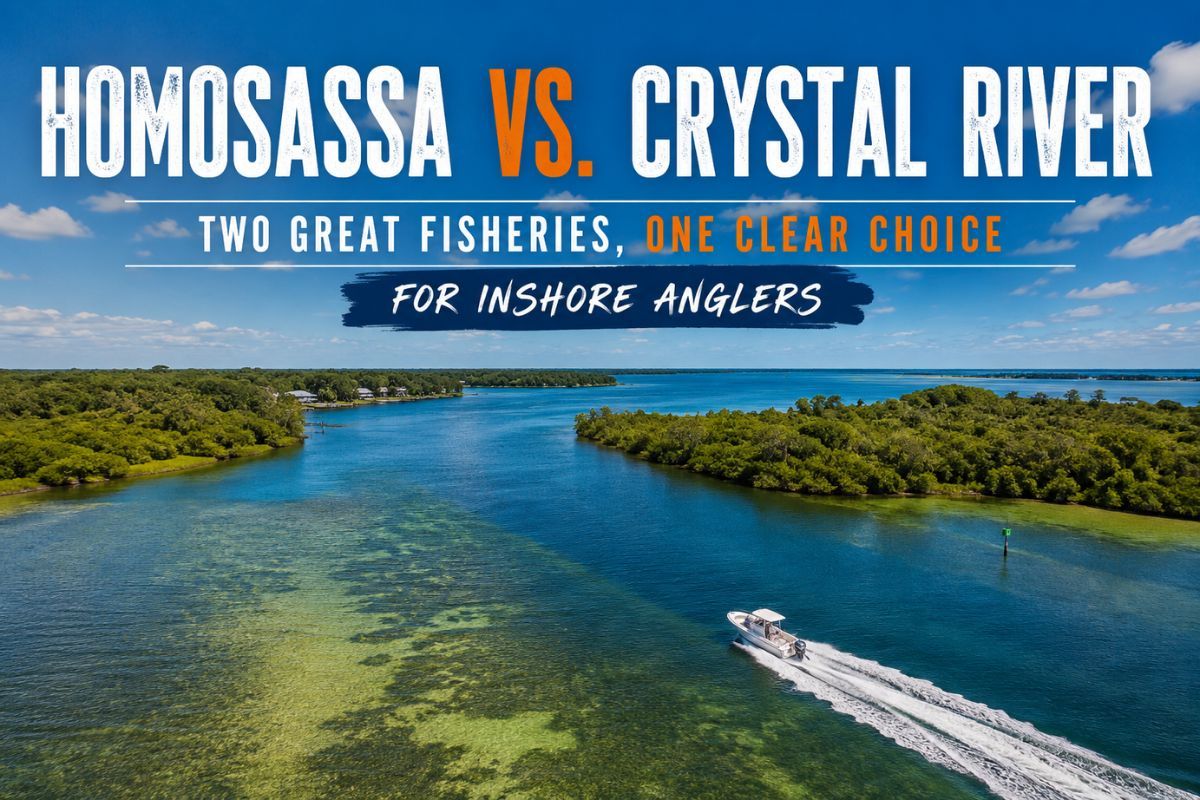
    Homosassa vs. Crystal River: Two Great Fisheries, One Clear Choice for Inshore Anglers

    People ask me this question all the time, usually while they are booking a trip, and I appreciate that they ask it directly. It means they have done some research and they want a straight answer. I am going to give them one. But I want to do it honestly, because Crystal River is a legitimate fishery with a lot going for it, and I do not think it helps anyone to pretend otherwise.

    The short answer is that for inshore fishing — redfish, seatrout, snook, and the broader Nature Coast species mix — Homosassa is the better choice. The longer answer explains why, and it also explains when Crystal River makes sense. Both are worth your time depending on what you are after.

    Crystal River: What It Does Well

    Crystal River sits about fifteen miles north of Homosassa and shares the same general ecosystem. It is a spring-fed river system that flows out into the Gulf through Kings Bay, and the water is clean, clear, and productive. If you have not been there, it is a beautiful piece of Florida.

    What Crystal River is best known for is manatees. Kings Bay holds one of the largest concentrations of Florida manatees in the state, particularly in winter when warm spring water draws them in from the Gulf. Manatee tours operate year-round and they are popular for good reason. If swimming with manatees is something your group wants to do, Crystal River is where you go. Homosassa has manatees too, but the organized swim-with-manatee experience is centered up there.

    Crystal River also has good scalloping grounds in season. The grass flats in the bay and surrounding areas hold bay scallops from July through September and scalloping out of Crystal River is a well-established summer tradition.

    For fishing, Crystal River has seatrout, redfish, and snook, and there are guides who know that water well and do good work. The Crystal River Preserve State Park and surrounding marshes offer extensive light-tackle and kayak access for anglers who want to get into less-pressured areas on their own. Some guides operating out of Crystal River also run mixed trips that combine inshore with nearshore and offshore opportunities on the same day, which is a reasonable option if your group has different interests.

    I have nothing bad to say about Crystal River. It is good water and there are good people fishing it.

    The Homosassa River system from the boat launch

    What Makes Homosassa Different as a Fishery

    Homosassa sits at the heart of what Florida anglers call the Big Bend, the sweeping curve of the Gulf Coast where the panhandle transitions into the peninsula. This stretch of coastline has almost no beaches and very little development along the water. What it has instead is one of the most productive inshore fisheries in the southeastern United States.

    The Homosassa River is spring-fed and runs clear year-round. It empties into a shallow estuary system that extends several miles offshore before the bottom drops away toward deeper Gulf water. The flats are a mix of hard bottom, ribbon rock, rock grass, and shell scattered across water that runs from ankle-deep at low tide to four or five feet at a good high tide.

    From Homosassa, you are running directly into a wide apron of hard-bottom flats and outside keys that stay shallow for miles offshore. The productive water starts close and it keeps going. From Crystal River, more of the first part of the trip involves navigating channel-focused movement around Kings Bay and its boat traffic before you reach the kind of open, quiet flat I am talking about. That is not a fatal problem. It is just how those two rivers lay out differently once you leave the dock.

    To the south, the Chassahowitzka River system adds another dimension entirely. The Chassahowitzka is one of the least-developed spring systems in Florida. The backcountry creeks down that way hold fish that do not see significant pressure. The pole line area in the Chassahowitzka is as good a piece of snook and redfish water as exists on this coast. Crystal River has backcountry creeks and mangrove shorelines too, but the combined reach of Homosassa and Chassahowitzka gives you a substantially larger, quieter stretch of contiguous water to work.

    That is not a knock on Crystal River. It is just how the coastline lays out once you factor in both systems together.

    Species Mix: Why Homosassa Produces More Consistently

    The species available in Homosassa cover the full range of inshore Florida fishing and connect well into nearshore opportunities on the same trip.

    Redfish are present year-round on the Homosassa flats and school up in significant numbers in the fall. The outside keys, the river mouth, and the backcountry creek systems all hold fish at different tides and different times of year. Following a good incoming new moon tide from the outside keys back toward the treeline, you can find redfish, seatrout, and snook in the same six-hour window.

    Seatrout on hard bottom south of the river, particularly on yellow bottom and ribbon rock, are as reliable as any target species I fish. Sheepshead stack up on nearshore structure in winter alongside black drum. Mangrove snapper hold on rock and ledge. Spanish mackerel run along the nearshore rocks in spring and summer. Tripletail show up around crab buoys and floating debris in late spring, which most visiting anglers never think to target. Cobia move through in the spring along nearshore hard bottom. The way I run my Homosassa trips, the nearshore rock structure and the spring cobia and tarpon run are a natural extension of the same day. Crystal River-based charters can access that same general Gulf belt, but the run from Homosassa puts us on productive nearshore structure efficiently in a way that makes a mixed inshore and nearshore day easy to build.

    For an angler who wants variety and wants to experience the full range of what the Nature Coast offers, Homosassa is the more complete base.

    Boat Traffic and Fishing Pressure

    This is a practical consideration that does not get discussed enough.

    Crystal River sees significant boat traffic from manatee tours, recreational rentals, and charter operations concentrated in and around Kings Bay. On a busy weekend morning, that traffic affects the fishing. Redfish and seatrout on pressured, noisy flats behave differently than fish on quiet water. Noise travels far in shallow water and a shallow-draft boat moving too fast across a flat will push fish off it.

    Homosassa has fishing pressure too. I am not going to pretend it is undiscovered water. But the backcountry creek systems, the southern flats toward Chassahowitzka, and the offshore rock structure give you options to get away from other boats in a way that Kings Bay does not. On a Tuesday morning in October, I can put you on fish without seeing another guide boat for hours.

    The difference is access to undisturbed water. Homosassa has more of it and it is closer to the dock.

    Captain Toney working a calm, empty Homosassa flat

    The Guide Knowledge Factor

    Both Crystal River and Homosassa reward local knowledge. The flats are not self-explanatory. Bottom type changes across short distances, tidal flow behaves differently in different parts of the system, and the fish move based on subtle variables that take years of observation to understand.

    My family has fished this water for four generations. My grandfather fished the same flats I fish now. I grew up watching my father read this estuary and learning from him the way the water moves, where fish hold on different tides, which bottom transitions produce fish in which seasons. That knowledge is not something you can get from a fishing app or a map.

    When you book a guide in an unfamiliar area, you are buying access to that kind of accumulated knowledge. The question is how deep that knowledge goes. A guide who has worked Crystal River for ten years knows Crystal River well. A guide whose family has fished Homosassa for four generations knows something different. It is not a fair comparison.

    I say that not to dismiss Crystal River guides, many of whom are good fishermen. I say it because it is the honest explanation for why local knowledge matters here and why the depth of that knowledge is not equal across every guide on this coast.

    When Crystal River Makes Sense

    If swimming with manatees is the primary goal, go to Crystal River. There is nowhere better for it in Florida.

    If scalloping is what you want and the Crystal River grounds are open, that is a legitimate option alongside Homosassa, which also runs scalloping trips in season.

    If you are staying near Crystal River and convenience matters, there are good guides up there who will put you on fish.

    If your group includes people who want to do other things besides fish — Homosassa Springs Wildlife State Park is worth a few hours for families, and the area tends to feel quieter and less commercial overall than the Kings Bay marina corridor.

    But if inshore fishing is the main reason you are coming to the Nature Coast, and you want the most water to work, the deepest backcountry, the broadest species mix, and a guide whose family has been reading this specific estuary since before there was a highway running through Citrus County, Homosassa is where you want to be.

    The Honest Answer

    Both fisheries are worth fishing. The Nature Coast as a whole is one of the most underrated inshore destinations in the Gulf Coast states, and that includes the water from Crystal River south through Homosassa and into the Chassahowitzka system.

    But if you are choosing one area for an inshore fishing trip and the fish are the reason you are coming, the answer is Homosassa. More water, quieter flats, a larger backcountry to the south, and a nearshore fishery that connects naturally to the inshore trip you are already on. I have fished here my entire life and I am still finding water that surprises me. That does not happen on a small fishery.

    Come see for yourself.

    Captain William Toney
    Homosassa Inshore Fishing
    Call 352-422-4141 to Book Your Nature Coast Charter

  • The Shore Lunch Tradition: What Sets a Homosassa Fishing Charter Apart

    The Shore Lunch Tradition: What Sets a Homosassa Fishing Charter Apart

    My father did it. His father did it before him. Somewhere along the way it became a thing people expected when they fished with our family, and then it became a thing I genuinely looked forward to more than just about anything else on the water. The shore lunch is not an amenity I added to a charter package to stand out from the competition. It is just how we fish in Homosassa. It always has been.

    I am aware that sounds like something a person would say to stand out from the competition. I cannot help that.

    What a Shore Lunch Actually Is

    On my Homosassa inshore charters, a shore lunch means we catch your fish in the morning, pull up to a quiet shoreline, and fry them fresh in cast iron within a few hours of leaving the dock. No restaurant, no cooler to go, no waiting until you get back home to eat what you caught.

    If you have not heard the term outside of Florida, shore lunch is a tradition with deep roots in Canadian north woods guiding culture, where guides have cooked streamside meals from the morning’s catch for generations. It is not something you find much of in Florida anymore, which is a shame, because Florida is where it makes the most sense. We have calm, shallow water, a hundred places to pull up and anchor without another boat in sight, and some of the best-tasting inshore fish in the country. The ingredients are all here. You just have to be willing to do the work.

    I bring everything needed. The oil, the cornmeal, the fixings, the cast iron. The only thing that comes from that morning is the fish, which is the whole point. You eat what you caught. That connection between the effort and the meal is something a restaurant cannot replicate, no matter how good the kitchen is.

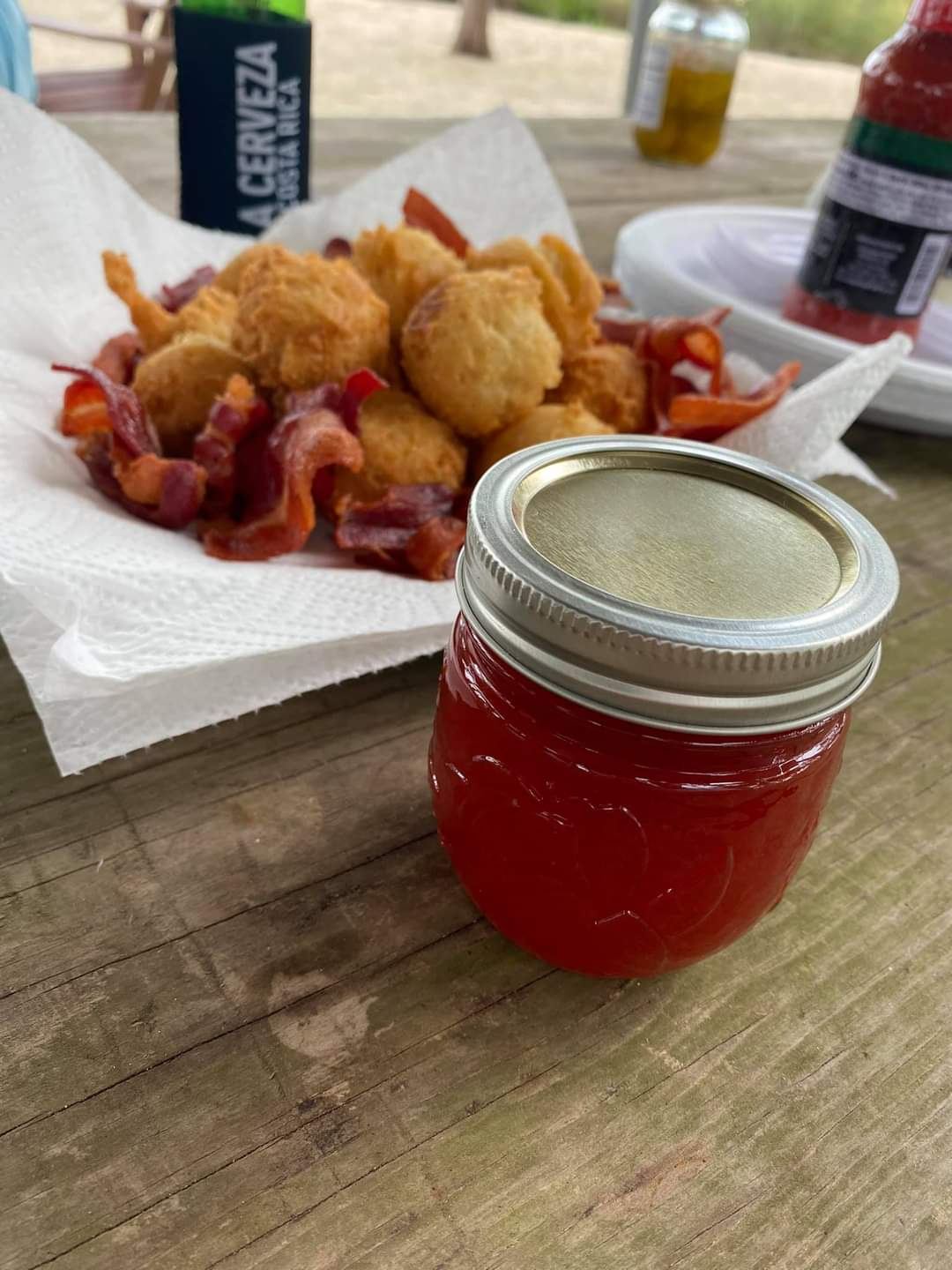
    Fresh shore lunch cooked on a quiet Homosassa shoreline — hush puppies and the morning's catch

    How the Morning Leads to the Meal

    A shore lunch charter is built around a simple sequence. We fish hard in the first part of the morning, then we eat.

    We leave the dock before sunrise. I have the live well running and the bait net ready. I cast for fresh shrimp on the way to the first spot so the bait is as lively as possible when we get there. We work the incoming tide on the flat, cover water until we find the fish, and start making decisions about what goes in the cooler. Seatrout, redfish, and snook are the most common table fish we are targeting. Mangrove snapper, sheepshead, flounder, and sometimes Spanish mackerel or black drum make it into the cooler when they are cooperating.

    I am not in a hurry during the fishing part of the morning. We are not racing to fill a limit. We are picking the fish we want to eat that day and releasing the rest in good shape. There is a difference between fishing for the cooler and fishing well. I prefer to do the second thing.

    Around midmorning, when we have what we need and the tide has done most of what it is going to do, I start looking for the right spot to pull over. A flat bank out of the wind. A sandy point with some shade nearby. Somewhere quiet enough that you can hear the water and not much else. Homosassa has no shortage of those places.

    I clean only what we are going to eat on the spot, in line with Florida’s fishing regulations, and I keep the carcasses properly until we are done and dispose of them in a way that does not leave a mess behind. I cook over a portable gas burner with cast iron, so we set up and break down quickly without leaving any trace that we were there.

    The Meal

    Fresh seatrout fried in a cornmeal crust is one of the better things you can eat in Florida. I will stand behind that statement. There is something about a fish that was swimming forty-five minutes ago that does not exist in any restaurant version of the same dish. The texture is different. The flavor is cleaner. It is not subtle.

    I keep the preparation simple on purpose. Cornmeal, a little seasoning, hot oil, and time. Side dishes come along in the cooler. I have been doing this long enough to know what travels well on a boat and what does not.

    The whole process from pulling the anchor to eating takes maybe thirty minutes. It is not a long production. It does not need to be. The simplicity is part of what makes it good.

    What I notice every time, without exception, is that the conversation changes when the food comes out. People who have been focused on casting and tides and biting fish suddenly slow down and actually talk to each other. Kids who were glued to a rod for three hours sit still and eat and look around at the water. Adults remember where they are. A shore lunch does that. It creates a pause in the day that makes the whole trip feel like more than a fishing trip.

    That is the part that is hard to put on a charter listing. But it is the part that matters most.

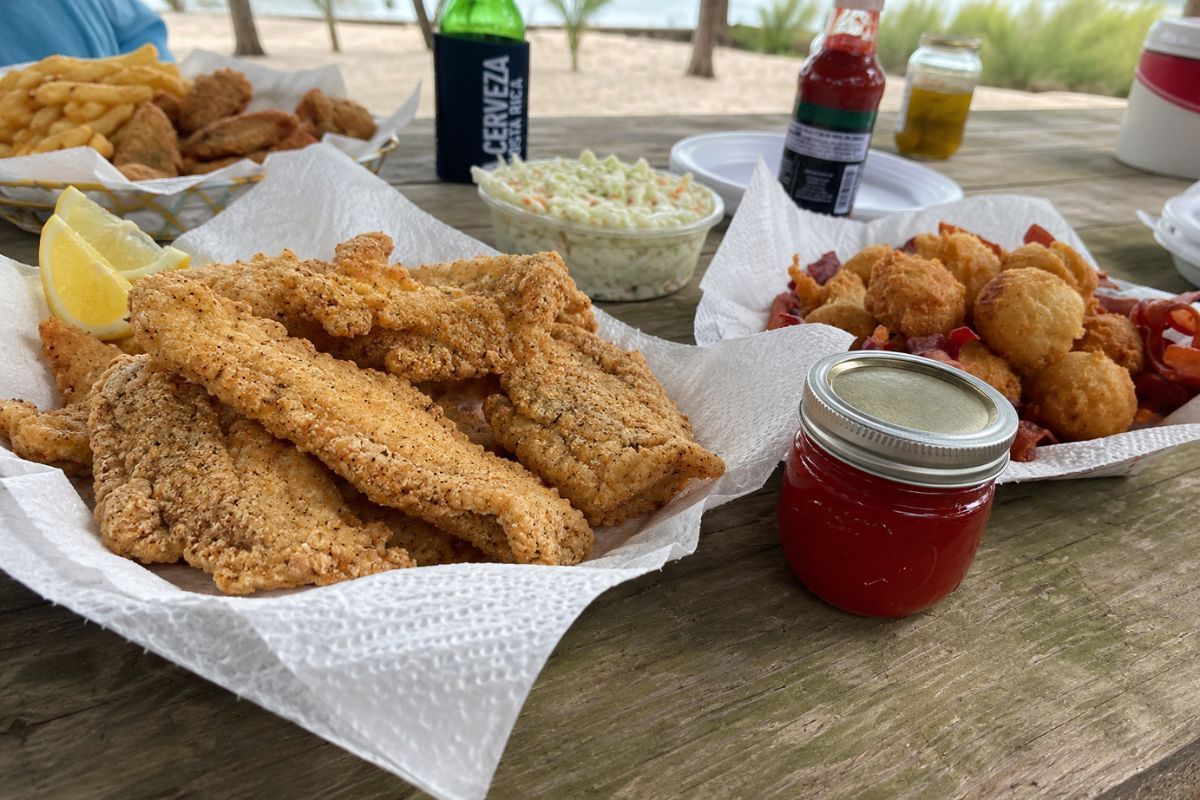
    Homosassa shore lunch spread: fried snapper and seatrout, hush puppies, coleslaw, and pepper jelly

    Why This Tradition Still Exists

    I grew up watching my father feed people on the water. It was never discussed as a selling point. It was hospitality. You worked hard together in the morning and then you sat down and ate together. That is what you did.

    Old Florida had a pace to it that is harder to find now. It was not unhurried because people were lazy. It was unhurried because the people who lived here understood that rushing through a day on the water was a kind of waste. The fish would be there tomorrow. The tide would come back around. There was time to do things properly.

    The shore lunch is a piece of that. It is what separates a guided fishing trip from a guided fishing experience. The second thing is what people actually remember. I have had guests come back years later and bring their children, and the first thing they bring up is the lunch, not the fish. I find that gratifying rather than insulting.

    What to Expect When You Book a Shore Lunch Charter

    Shore lunch is available on most full-day inshore charters from spring through fall, when conditions and the morning’s catch allow for it. Scalloping trips and scenic tours run on their own schedule. Half-day trips do not leave enough time to fish properly and still put a meal together the way I like to do it.

    If you want to include a shore lunch, let me know when you book your full-day charter so I can plan the timing, gear, and menu around it. Mentioning it the morning of the trip does not give me enough runway to set things up right.

    Here is what I ask of guests: come hungry and come willing to eat what we catch. If the seatrout are cooperating, you are eating seatrout. If the mangrove snapper are the story that morning, that is what goes in the skillet. I cannot promise a specific species and I would not want to. The whole point is that the meal comes from the morning, not from a predetermined menu.

    If we have kept more fish than we eat at lunch, I will have the rest cleaned and bagged on ice so you can take them home within the legal limits for that day. Nothing from a good morning goes to waste.

    I also ask that you let me know ahead of time if anyone in the group has dietary restrictions or allergies. I can work around most things but I need to know before we leave the dock.

    One more thing: if the weather turns rough or conditions make it unsafe to pull up comfortably, we adapt the plan. Safety and comfort come before the lunch. That has not happened often, but it does happen.

    Children are welcome on shore lunch charters. In fact, I think the shore lunch is especially good for kids. There is something important about a child learning where food comes from, catching it themselves, and then sitting down to eat it on the water. That kind of experience stays with a person. I know because it stayed with me.

    A Tradition Worth Preserving

    Very few guides in Homosassa still build a traditional shore lunch into their charters the way my father and grandfather did. I am one of them, and I do it the same way every time because that is the point. It is not a feature. It is just how a full day on this water is supposed to go.

    A lot of charters offer a good day of fishing. That is not nothing. But if what you are after is a day on the water that you will still be talking about at dinner ten years from now, the shore lunch is the difference.

    Book early. Full-day charters go fast, especially in fall. The people who have been here before already know that.

    Captain William Toney
    Homosassa Inshore Fishing
    Call 352-422-4141 to Book a Shore Lunch Charter

  • Homosassa Fishing Report: Reading the Mudds and a Sea Bass Comeback

    Homosassa Fishing Report: Reading the Mudds and a Sea Bass Comeback

    A few things I’ve noticed lately on the water are from years back. South of the river there have been some mudds. A mudd can be from stingrays, mullet or feeding fish. The ones that have been occurring on the incoming tide are feeding fish. From what I have learned it is a shrimp hatch, when shrimp are exposed during the day. It creates a feeding frenzy with trout, spanish mackerel, blue fish, lady fish, flounder and jacks. If you find a mudd, think of it like a comet: the head of it is where the fish are and the tail is where the fish were. Two areas I like best for this experience are along the pole line in Chassahowitzka and near the Bird Rack off of St. Martins Keys. Soft dark plastics that are jigged vertical will get the bite.

    Another fish that has made a comeback on the Big Bend is sea bass. I’ve caught a few over 15″ and that’s a good fish on the Gulf side. The best depth is 6′ to 10′ on low profile rocks, ledges and hard bottom. The hard bottom will be yellow in color with black sponges. I catch a lot of trout on this same bottom and the sea bass are mixed in. To concentrate on just sea bass anchor on the west side of the structure during the incoming tide and use live shrimp on a jighead, free lining it. Have a second rod ready because the sea bass will follow up a hooked fish and the follower will even bite a bare hook — that’s the truth. On the same rocks expect a good bite with mangrove snappers and grunts. Look for incoming tide around mid morning.

    Captain William Toney
    Homosassa Inshore Fishing
    Call 352-422-4141 to Book Your Charter
  • Hello world!

    Welcome to WordPress. This is your first post. Edit or delete it, then start writing!

  • Homosassa Fishing Report: Shrimp Hatches at the Bombing Range

    Homosassa Fishing Report: Shrimp Hatches at the Bombing Range

    With a quick week of summer we are heading back into winter for a few days. All I want to know is when it will be spring LOL. Well I guess we’ve had a few days since. I’ve smelled the sweet orange blossoms in my yard and love that scent this time of year. One of my favorite fisheries off of Homosassa is getting ripe with fish and I look forward to the easy fun fishing with all the different species to be caught. Along the Big Bend many shallow areas in 5 to 10 feet of water will have shrimp hatches with trout, sea bass, spanish mackerel, blue fish, blue runners, lady fish and small gag grouper that will put a bend in your rod.

    The best spot off of Homosassa is the Bombing Range. It’s halfway between Crystal River and Homosassa, or about 5 miles northwest of the St. Martins Keys. This spot has many different natural rocks and at one time was a military bombing range during WW2. My go to baits are soft plastics in glow or natural colors that resemble shrimp either in true life molds or similar shapes. My two favorites are D.O.A. or MirrOlure in glow, bourbon, watermelon red flake, electric chicken, new penny and golden bream. I’ve found that a 1/8 oz. jig head works best. As far as jig head color, I go with chartreuse with glow baits and red on dark colors. The retrieve I use is a rod high vertical 5″ to 10″ hop near the bottom like a shrimp jumping out of the grass.

    The big fish that an angler may encounter fishing the Bombing Range is a cobia. Still might be a long shot but I’ve seen big sharks already and they tolerate the same water temperature. So keep a heavy spinning rod onboard to be ready. I’ve caught more cobia by chance and being prepared. Looks like this weekend the best incoming tide will be in the afternoon.

    Captain William Toney
    Homosassa Inshore Fishing
    Call 352-422-4141 to Book Your Charter
  • Homosassa Fishing Report: Cold Fronts and Following the Manatees

    Homosassa Fishing Report: Cold Fronts and Following the Manatees

    With a little bit of warmth, winter continues to push as far south as it can. Before this late February cold front most of the Big Bend’s game fish — trout, redfish and snook — were all outside on the keys and limestone rock piles. Some of the snook I saw were in spots that I would target in April. A few days of warm weather is all it takes to move fish west along with the manatees, because when I see them heading out it is a clue to follow them because of the warming waters. Manatees will overeat the river’s grasses and when it’s warm enough they will race out and eat on the Gulf’s edge. If a manatee can handle the bays and Gulf’s cool water then it is game on for our inshore fish.

    To catch some really good quality sea trout work the outside western points on the incoming tides. If the tides are low like this coming week target the deeper creeks that are near the Gulf that have deeper channels and holes, because this week’s cold mornings will have fish stacked up according to water temperature. I always start east and work my way west until I start catching fish. All it takes is a keeper trout or a snook and then you will be on the line running north and south for the best temperature to catch fish.

    The best baits have been soft plastics in glow or pearl. I like a nose hooked D.O.A. 5.5 jerk bait or the MirrOlure Provoker in pearl with a 1/16 oz. red or chartreuse jig head. The best live bait for redfish has been live shrimp for sight casting them in the very clear waters. I believe the tides this week will be low and lower.

    Captain William Toney
    Homosassa Inshore Fishing
    Call 352-422-4141 to Book Your Charter
  • Fishing Citrus County: A Paradise for Every Angler

    Fishing Citrus County: A Paradise for Every Angler

    From the time of the ancient people and through modern times Citrus County and its three spring fed rivers has been a fisherman’s paradise. Anglers come from across the country and world to experience the fine coastal and freshwater fishery our area provides. Depending on your preference or style of fishing Citrus County can accommodate most every angler’s desire to have a lasting memory of a good day on the water. We have some of the best guides in the state who specialize in offshore, inshore in the Gulf of Mexico or our fresh water rivers and lakes. One thing I do know is that our guides care about the environment that they work in daily and make a conscious effort to keep it pristine so the anglers will have the best experience possible.

    For anglers who are looking to head out into the offshore we have three deep rivers to run out of. The Withlacoochee, Crystal and Homosassa Rivers have ports and captains with comfortable vessels to run offshore to catch gag grouper, red grouper, red snapper, mangrove snapper and other seasonal species. Some of our captains do offer overnight and famous Florida middle ground trips for the adventurous anglers.

    Being an inshore angler myself I do have to brag on Citrus County’s coastal and flats fishing. With the three major rivers there are also two more jumping off spots with generational local guides. Ozello and the Chassahowitzka river are at the front gate of very good inshore fishing. As a guide I call these three fish my bread and butter: depending on conditions redfish, snook and spotted seatrout can be caught on most every trip. If it’s a warm day in the summer or cool day in the winter some of the other species of fish that can be caught are pompano, flounder, black drum, sheepshead, spanish mackerel and jack crevalle. During late spring and early summer Citrus County is host to world class and world record tarpon fishing. Anglers travel here every year to catch a tarpon on the fly and possibly set a new world record.

    For the best freshwater fishing there are guides who specialize in trophy largemouth bass or some good eating crappie and panfish. The Withlacoochee river, Lake Rousseau and the Tsala Apopka chain of lakes on the east side of Citrus County has a lifetime of freshwater angling.

    For anglers who have their own vessels our county has many public boat ramps to get you on the water. Usually near the ramps there are quaint fish camps or upscale resorts to relax after a day’s fishing and nearby are great places to eat. Some restaurants will even cook your fresh catch. Whatever your choice of fishing I’m sure you can find it all right here in Citrus County.

    Captain William Toney
    Homosassa Inshore Fishing
    Call 352-422-4141 to Book Your Charter
  • Homosassa Fishing Report: Summer Trout on the Bars

    Homosassa Fishing Report: Summer Trout on the Bars

    For a hot summer and warm water I have found the trout bite to remain strong on the bars south of Homosassa. It’s still the same routine: if it’s a breezy day the popping cork with jig combination is the best bait and if it’s a calmer day I prefer to use a 1/8 oz. jighead with a MirrOlure LiL John. Some of the best colors are watermelon red flake, pearl with chartreuse and molting. Outgoing tide is best because it pulls the bait across the bar into the trout’s strike zone.

    Redfish have been good on the incoming tide. On the outside keys my bait of choice is live or cut pinfish and south of the river I like to use a cork with a shrimp under a 1/8 oz. jighead. The cork will keep the bait from hanging on the rocks and the jighead will keep the bait directly under the cork. I like to check the depth I’m fishing in and make the leader length accordingly. On the nearshore rocks I’m still catching some big grunts with a few good mangrove snapper mixed in. High incoming tide will be very early morning or late evening this weekend.

    Captain William Toney
    Homosassa Inshore Fishing
    Call 352-422-4141 to Book Your Charter